
How to Prepare Your Pasco County Home for Sale: A 30-Day Checklist
Brenda Endres, REALTOR® | RE/MAX Champions September 23, 2026
A practical plan to help you decide what to do first, what can wait and how to prepare for a smoother listing launch
Preparing your home for sale does not have to mean renovating every room or spending money on improvements that may not produce a return. The goal is to make thoughtful decisions early, address the items most likely to affect a buyer’s confidence and present the home in a way that supports the strongest possible first impression.
For Pasco County homeowners, that preparation may also include gathering information about the roof, insurance history, flood zone, permits, homeowners association, Community Development District assessments and major systems. When those details are organized before the home reaches the market, the listing process is usually easier to manage and there are fewer last-minute questions.
This 30-day checklist offers a practical starting point. Every home and timeline is different, so the plan should be adjusted based on the property’s condition, neighborhood, price range and the seller’s goals.
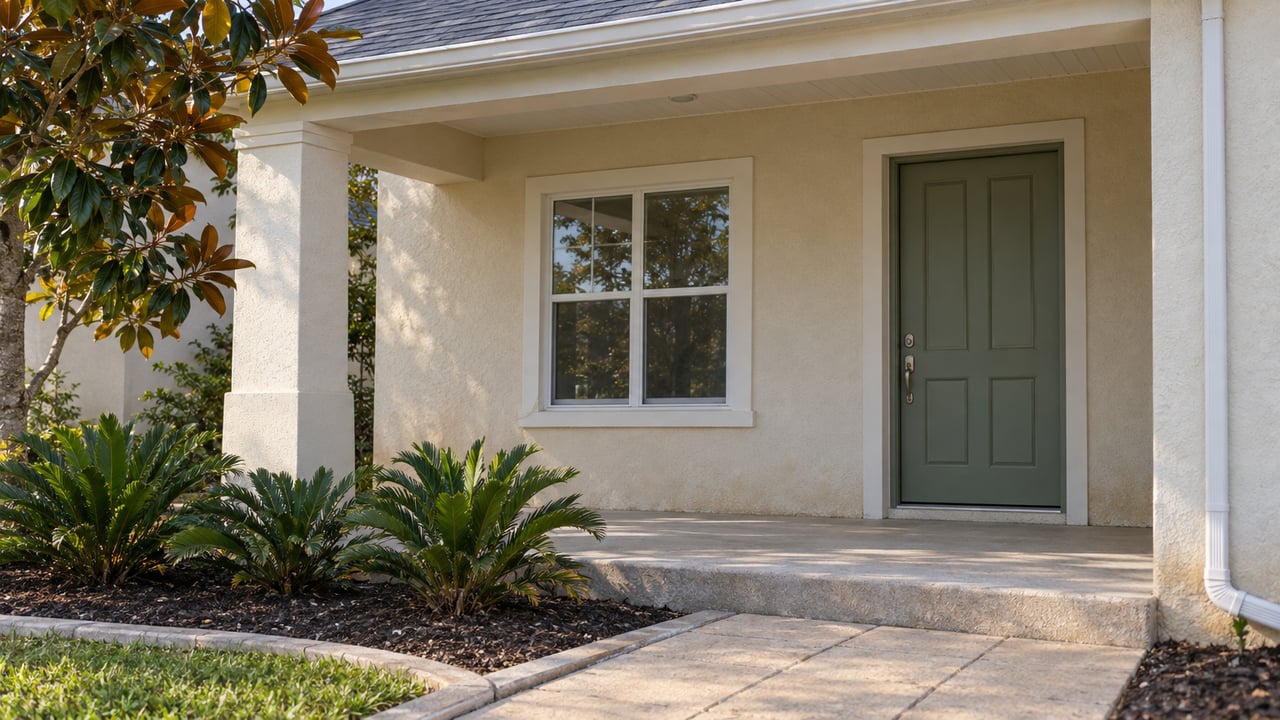
Begin by walking through the property as if you were seeing it for the first time. Buyers notice the overall condition before they study individual upgrades. Look at the exterior approach, front entry, paint, flooring, lighting, visible maintenance issues and the amount of furniture or personal belongings in each room.
This is also the right time to speak with a local real estate professional. An early consultation can help you separate improvements that may support the sale from projects that are unlikely to justify their cost. That conversation should include your preferred timing, estimated selling expenses, potential equity, current market conditions, competition and any known issues that could affect insurance, financing or inspections.
A well-prepared seller can answer important questions without searching through old emails or paperwork after an offer arrives. Begin gathering the documents and details connected to the home’s condition, costs and ownership.
Useful information may include the current property-tax bill, homeowners insurance declaration page, survey, flood-zone information, utility averages, roof and HVAC ages, transferable warranties, receipts for major work, permits, association documents and estoppel information, association contacts and current HOA or CDD amounts. If the property has solar panels, a septic system, a well, a leased appliance or another special feature, collect the related agreements and service records too.
You may not need every item for every sale. The purpose is to identify missing information early enough to obtain it without delaying a buyer’s review or the closing process.
Sellers often feel pressure to make the home perfect. In practice, the most valuable work is usually the work that makes the property feel cared for and removes obvious distractions. Loose hardware, damaged screens, dripping faucets, burned-out bulbs, stained caulk, broken switch plates and overgrown landscaping can create a larger impression of deferred maintenance than their repair cost would suggest.
Larger projects require more judgment. A new roof, electrical work, plumbing repairs, flooring replacement or exterior improvements may affect marketability, insurance or financing, but the right decision depends on the home and the likely buyer. Before committing to repairs that may affect insurance or approvals, compare the expected benefit with the expense, timing and available alternatives.
If you are aware of a material defect, discuss it with the appropriate real estate and legal professionals. Preparing a home for sale should never involve hiding a known problem.
Buyers need to understand the size, function and flow of the home. That becomes harder when countertops are crowded, closets are packed or furniture blocks natural walkways. You do not need to remove every personal item, but each room should have a clear purpose and enough open space for buyers to picture themselves living there.
Focus on the areas buyers study most closely: the entry, kitchen, living area, primary bedroom, bathrooms, closets, garage and outdoor living space. Pack items you will not need before moving, reduce duplicates in cabinets and closets, and give special attention to odors, windows, floors, baseboards, fixtures and appliances.
Professional presentation begins before the photographer arrives. Complete the cleaning and repair work first, remove visible cords and small countertop items, replace mismatched or burned-out light bulbs, open window treatments and make sure landscaping is neat. Vehicles, trash containers, hoses and excess outdoor items should be moved away from the main exterior views when possible.
Confirm the listing price and launch strategy using the most recent comparable sales and active competition. Pricing should reflect the home’s condition, location, features and current buyer choices rather than the amount a seller hopes to net or the price of a different home with different characteristics.
Complete one final walk-through with your real estate professional. Check that the home matches the photographs, required disclosures are ready, showing instructions are practical and valuables, medications and sensitive paperwork have been secured. Confirm how showing requests, feedback, offers and schedule changes will be communicated.
The first days on the market matter because the listing is new to buyers who have already been watching the area. A coordinated launch helps the property make its strongest impression while attention is highest.
Timing | Primary focus | Recommended outcome |
|---|---|---|
Days 30 to 24 | Strategy and evaluation | Priorities, budget and target timeline |
Days 23 to 17 | Documents and property details | Important information organized |
Days 16 to 10 | Repairs and maintenance | Visible concerns addressed thoughtfully |
Days 9 to 5 | Decluttering and cleaning | Rooms feel open, clean and purposeful |
Days 4 to 2 | Photography and pricing | Home and listing strategy ready |
Day 1 | Final review and launch | Listing goes live with fewer surprises |
Start with information, not purchases. The right preparation plan should reflect the specific property and the buyers most likely to consider it. Some homes need repairs before listing. Others benefit more from cleaning, decluttering, better presentation and realistic pricing. A consultation before the work begins can help prevent unnecessary spending and keep the preparation period manageable.
If you are considering selling within the next few weeks or several months, I can help you create a preparation plan that fits your home, timing and budget. I also created a free Pasco County Seller Prep Planner to help homeowners organize the process one step at a time.
Call or text Brenda Endres at 321-440-7961 to request your copy or schedule a no-pressure home-selling consultation.
Request My Free Seller Prep Planner
As a Tampa Bay resident since 1992 and a local REALTOR® serving Pasco County and surrounding areas, I bring experience in real estate, mortgage lending and title services to help sellers understand the full transaction, not just the listing.
Brenda Endres, REALTOR® | RE/MAX Champions
321-440-7961 | BrendaEndres.com
Stay up to date on the latest real estate trends.



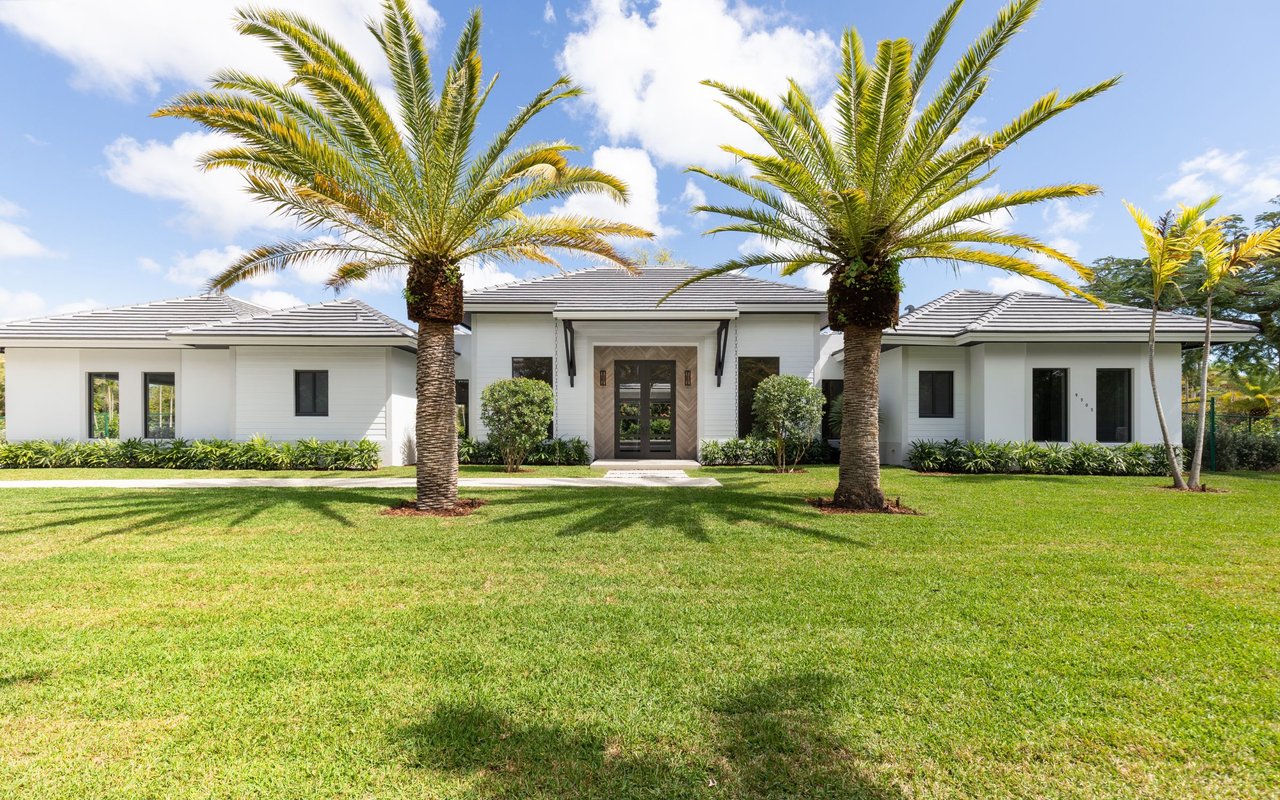
If your home came off the market without selling, review the pricing, buyer feedback, presentation, and property details before relisting. Here is where to start.
With over a decade of experience in real estate, mortgage lending, and title services, I bring a well-rounded perspective to every transaction. My goal is to make buying or selling a home feel straightforward, informed, and tailored to your needs while building lasting relationships beyond closing day.