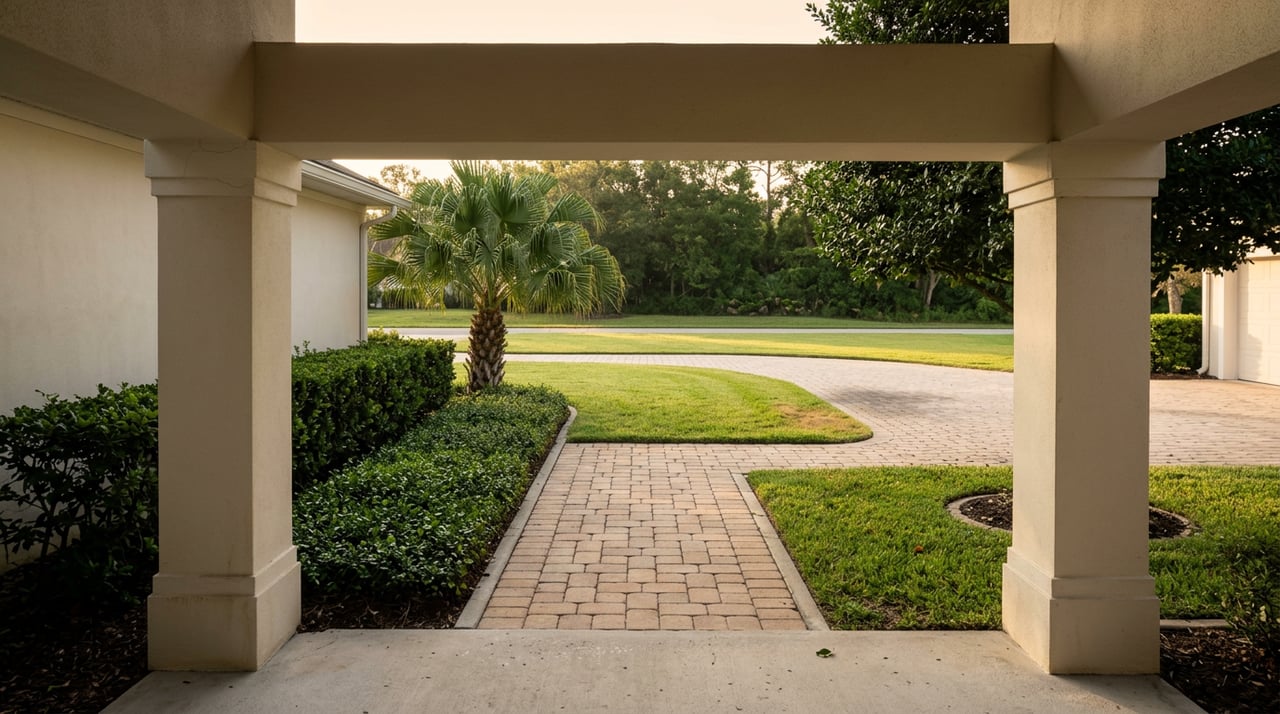
Why “No CDD Fees” Can Mean Different Things Near Trinity
August 27, 2026
Two listings land in your inbox on the same afternoon. Both around $500,000. Both in the Trinity area. Both look, on paper, like the same decision.
They are not.
One sits in an established Trinity community where the HOA runs somewhere in the low hundreds a month and there is no CDD line on the tax bill at all. The other sits in a newer section of the broader Starkey Ranch community, the kind of build reachable from Trinity that shoppers cross-check against it, where the master plan itself carries a Community Development District. Same price. Different monthly math. And the portal that sent you both listings will not tell you which is which.
That gap is the thing worth understanding before you fall for either house.
A Community Development District is a public financing tool, created under Florida law, that lets a developer build roads, water and stormwater systems, and shared amenities using bonds, then pay those bonds back through an annual assessment. It shows up as a non-ad valorem line on the property tax bill, separate from a Homeowners Association fee, and it is not optional once you buy inside the district under Florida Statute 190.021. Statewide, these assessments commonly run somewhere between roughly $1,000 and $3,500 a year, though the low and high ends stretch further depending on the community and how much infrastructure it financed.
A CDD is not a scam and it is not a sign of a badly built neighborhood. It is how a lot of amenity-rich Florida communities got their pools, trails, and gated entries without loading that construction cost straight into the sale price. But it is a recurring cost that a builder's monthly payment estimate does not always show clearly,
If you have heard that Trinity has no CDD fees, that reputation is largely earned. Communities like Heritage Springs Country Club, Fox Hollow and the Villages at Fox Hollow, Champions Club, Trinity Preserve, and Thousand Oaks were built in an era, going back to the early 1990s, before Community Development Districts became the standard financing tool for Florida's master-planned neighborhoods. Instead, that generation of Trinity development absorbed infrastructure costs through the builder or through ordinary property taxes, which is why current listings inside these communities routinely advertise no CDD and a comparatively low HOA.
The dollar figures back that up. Homes in Trinity Preserve typically carry HOA dues in roughly the $98 to $152 a month range, with no CDD attached. A villa in Fox Hollow runs closer to $482 a month, reflecting a maintenance-included structure rather than a district assessment. Heritage Springs sits around $313 a month. All three are HOA dues only. None of them stack a CDD on top.
Compare that to a real Pasco County CDD budget. Meadow Pointe IV, in Wesley Chapel, carried a CDD assessment for the 2025 to 2026 fiscal year in the range of roughly $3,019 to $3,610 a year for most single-family lot classes, which works out to about $252 to $301 a month, on top of whatever HOA dues that community also charges. That is the shape of cost Trinity's legacy neighborhoods simply do not carry.
Here is the part that gets skipped in most "Trinity has no CDD" advice: that reputation applies to Trinity's established core, not to every property a buyer will see while shopping the Trinity market.
Soleta, the newest active new-construction option tied to the Trinity-area search, sits on the last developable parcel inside Starkey Ranch. David Weekley Homes announced the project in January 2025, planning 139 detached homes across 35-, 45-, and 55-foot homesites. Soleta itself advertises no CDD fee. But the broader Starkey Ranch community it sits inside operates with both a master property owners' association and a Community Development District, and that district is responsible for parks, pools, playgrounds, trails, common-area maintenance, and trash collection across the larger master plan. Two homes inside the same overall development, built by different builders in different phases, can carry a genuinely different cost structure. One buyer's monthly number includes a CDD line. Their neighbor's does not, because of which section and which builder they bought from.
That is the actual lesson here, and it is one a median-price chart cannot show you: in a market where new construction keeps stretching toward Trinity's edges, "which neighborhood" is no longer a sufficient question. The question is which address, inside which phase, under which HOA or CDD structure.
| Community | Fee type | Approximate monthly cost | CDD present |
|---|---|---|---|
| Trinity Preserve | HOA only | $98 to $152 | No |
| Fox Hollow (villa) | HOA only | $482 | No |
| Heritage Springs | HOA only | $313 | No |
| Meadow Pointe IV (Wesley Chapel, for comparison) | CDD only | $252 to $301 | Yes |
| Soleta at Starkey Ranch | HOA/MPOA, per builder marketing | Varies by phase | Advertised as no, though broader Starkey Ranch carries one |
The list price answers what the house costs to buy. It does not answer what the house costs to live in every month for the next twenty years.
You do not have to take a listing description's word for it, and you should not. Florida law treats new construction and resale differently here, which means your path to the real number depends on which kind of purchase you are making.
None of this requires legal expertise. It requires asking the right document for the right stage of the purchase, and not assuming a community's general reputation applies to the specific lot you are looking at.
Trinity is not a market where buyers have a lot of room to negotiate their way around a cost surprise right now. As of August 2026, homes listed in Trinity carried a median price around $486,000, with a median price per square foot near $227, and a typical listing spending about 57 days on market before going under contract. A separate MLS-based read on closed sales, updated in July 2026, put the trailing twelve-month median sale price at $484,000 with an average of 49 days on market, roughly 42 percent above Pasco County's broader median. Inside Trinity Preserve specifically, current asking prices run closer to $624,000 with only about 0.8 months of supply, a read that leans firmly toward sellers as of early August 2026.
In a market moving that fast, with that little room to negotiate on price itself, the HOA and CDD line is one of the only levers a buyer still fully controls. You cannot talk a seller down much in a 49 to 57 day market. You can absolutely choose which combination of purchase price and recurring assessment fits your budget better, but only if you know what that combination actually is before you write the offer.
Does every home in Starkey Ranch have a CDD? Not necessarily. The broader community operates with a CDD, but individual builders and phases, like Soleta, can structure their section without one. Confirm it per address, not per community name.
Can a CDD assessment change from year to year? The operations and maintenance portion is adopted annually and can shift with the district's budget. The bond or debt service portion is generally fixed on a set repayment schedule and eventually retires once the bonds are paid off.
Is a home with a CDD a worse buy than one without? Not automatically. It is a different cost structure, not a worse one. A CDD often funds the parks, trails, and amenity centers that make a newer community feel finished on day one. The point is knowing the number, not avoiding the label.
If you are comparing a legacy Trinity community against something newer nearby and want the real monthly math laid out side by side before you tour, that is exactly the kind of question worth a direct conversation. Brenda Endres has spent years walking Pasco County buyers through exactly this kind of comparison, informed by a background in mortgage and title work that makes the fine print part of the conversation from day one. If you are weighing a Trinity purchase against something a few miles further out, take a look at the Trinity neighborhood page for a closer look at the area, then reach out. Let's Connect.
This article is general information, not legal, tax or financial advice. Consult a qualified professional about your situation.
Stay up to date on the latest real estate trends.
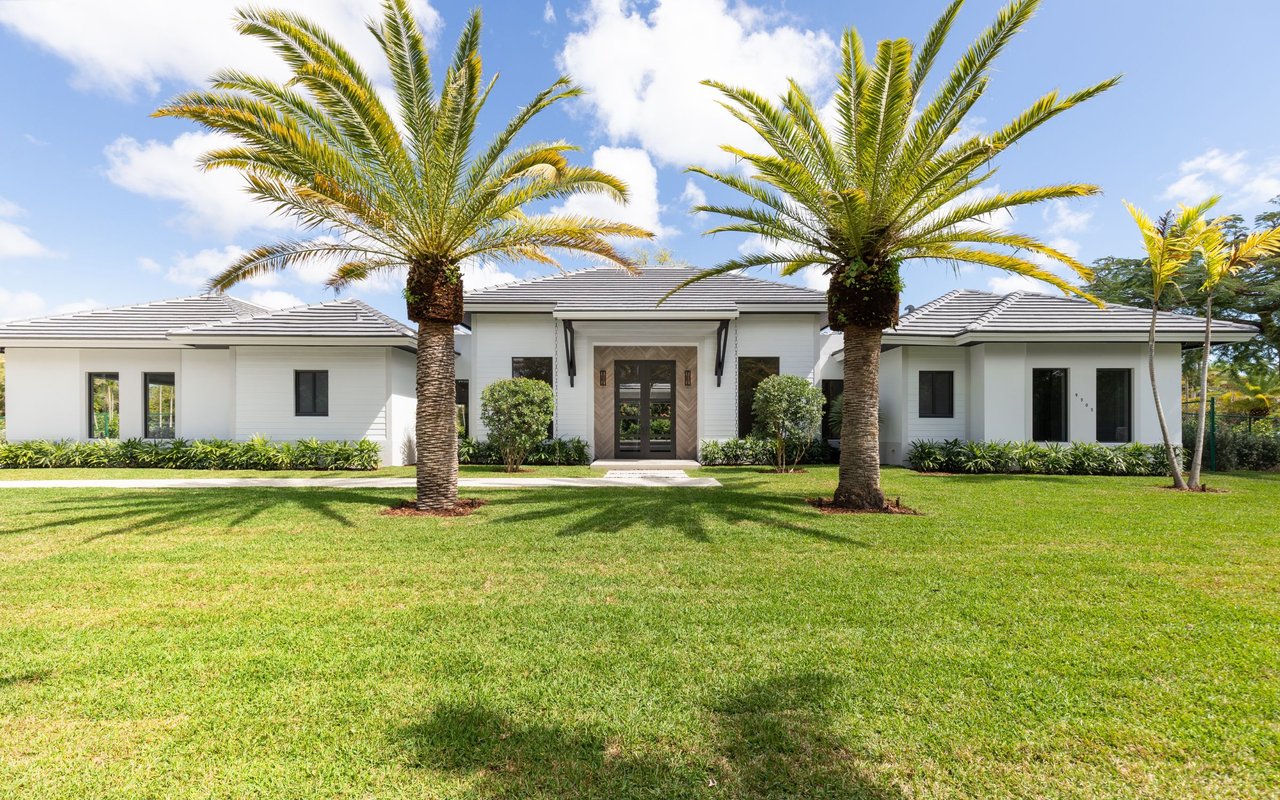
If your home came off the market without selling, review the pricing, buyer feedback, presentation, and property details before relisting. Here is where to start.
With over a decade of experience in real estate, mortgage lending, and title services, I bring a well-rounded perspective to every transaction. My goal is to make buying or selling a home feel straightforward, informed, and tailored to your needs while building lasting relationships beyond closing day.