Tarpon Springs Waterfront Homes Don’t Share One Insurance Story
October 14, 2026
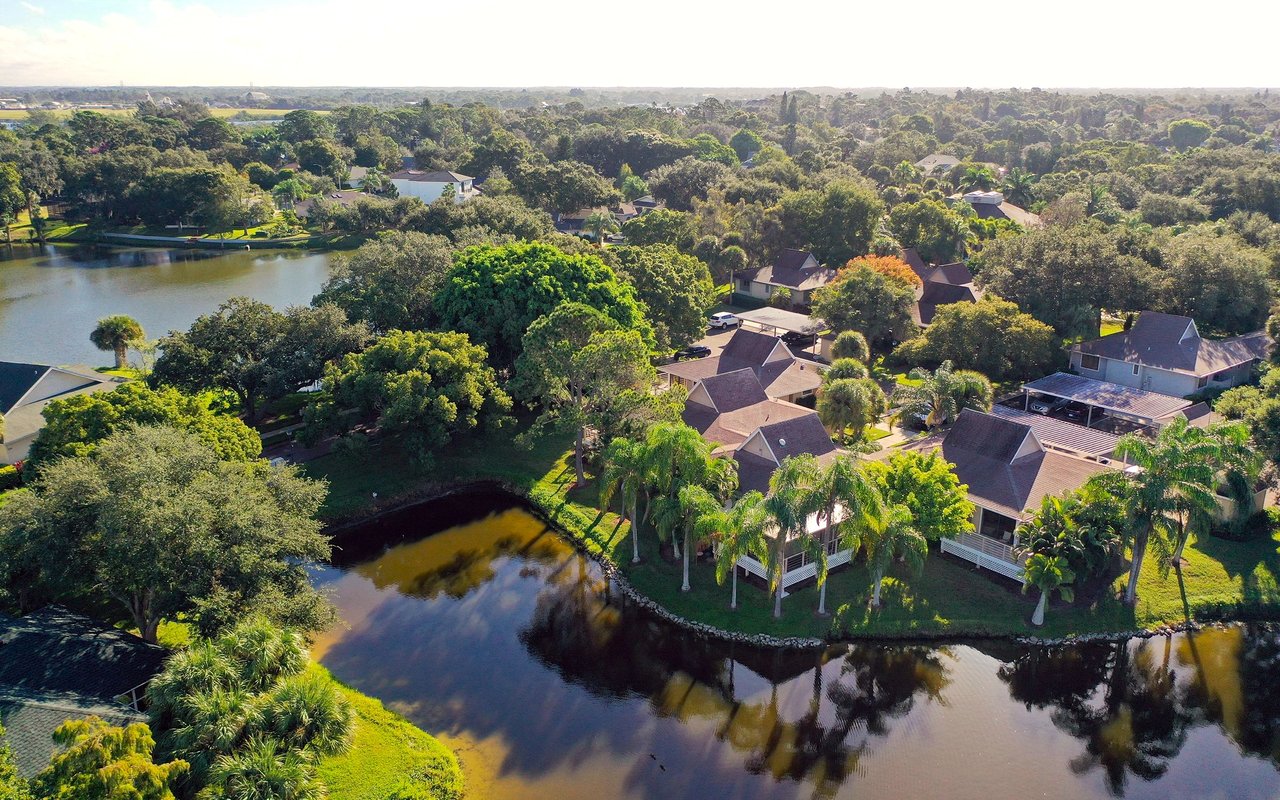
In Tarpon Springs, “waterfront” can mean a home near the Gulf, along the Anclote River, on a canal or bayou, or beside an inland lake. Two homes may be only a short drive apart and still receive very different insurance quotes. The reason is simple: insurers do not price a view. They evaluate the specific building, its location, its elevation, its construction, its roof, its wind protections, its replacement cost, and the coverage being requested.
That is why buyers should resist using a neighbor’s premium—or even the seller’s current premium—as the expected cost for a new policy. A useful waterfront comparison starts at the property level.
This is one of the most important distinctions for a Tarpon Springs buyer. A FEMA flood zone is used to describe long-term flood risk and can affect flood-insurance and lending requirements. An evacuation zone is based on vulnerability to storm surge and is used for emergency planning. Pinellas County cautions that the two measure different conditions and that residents should check both.
A property outside a high-risk FEMA flood zone is not a promise that flooding cannot happen. Likewise, a home's evacuation designation does not, by itself, tell you what its flood-insurance premium will be. Buyers should review the address in the Pinellas County Flood Map Service Center, check the evacuation zone, and discuss the results with a licensed insurance professional.
1. Elevation and the structure itself
An elevation certificate can document the flood zone, base flood elevation, building characteristics, and the elevation of floors and surrounding grades. Pinellas County explains that insurance agents use this information when determining policy rates. Under FEMA’s Risk Rating 2.0, an elevation certificate is not always required to buy an NFIP policy, but elevation remains one of the property characteristics used in rating and the certificate can still provide valuable property-specific information.
2. Distance and relationship to water
FEMA’s current flood-rating approach considers more than a zone letter. Factors can include distance to a water source, elevation, building type, and the cost to rebuild. A canal-front house, a riverfront house, and a home on Lake Tarpon therefore should not be treated as interchangeable simply because each is advertised as waterfront.
3. Roof, age, and wind-mitigation features
The age and condition of the roof, roof-deck attachment, opening protection, and other construction details can influence a homeowner’s insurance options. A current wind-mitigation inspection and four-point inspection may help an insurance agent evaluate the home. Buyers should ask what documentation already exists and whether the insurer will require updated reports.
4. The policy—not just the premium
A lower quote is not automatically the better quote. Compare dwelling limits, replacement-cost assumptions, exclusions, water-related endorsements, deductibles, and whether wind coverage is included. Florida homeowners may also have a separate hurricane deductible. The Florida Department of Financial Services explains that hurricane coverage concerns windstorm damage during a hurricane; it does not include flooding. Flood coverage is generally a separate policy.
5. How the home will be used
A primary residence, second home, seasonal property, short-term rental, or vacant home may be underwritten differently. Tell the insurance agent exactly how the property will be occupied. If the home has a dock, lift, detached structure, pool enclosure, or other waterfront improvement, ask specifically how—or whether—it is covered.
Before the inspection period is underway, buyers can gather the information an insurance agent will likely need:
For a financed purchase, confirm the lender’s requirements early. For a cash purchase, insurance is still part of the true cost and risk of ownership. Either way, written quotes should be obtained for the specific property rather than estimated from another home.
Sellers cannot promise that a buyer will receive the same coverage or premium they have, but they can make the insurance conversation easier. Organize the roof permit, wind-mitigation report, four-point report, elevation certificate, survey, flood-policy information, and documentation for major updates. If a dock, seawall, or lift has been repaired or permitted, keep those records available as well.
Clear records help buyers request quotes sooner and reduce last-minute surprises. They also allow the home’s improvements to be evaluated on evidence rather than assumptions.
Waterfront living is one of the things that makes Tarpon Springs special, but the word “waterfront” does not tell the whole insurance story. The best approach is to evaluate the home’s flood risk, elevation, construction, roof, wind protections, intended use, and proposed coverage together—before those details become a closing-day problem.
Thinking about buying or selling a waterfront home in Tarpon Springs? I can help you organize the property questions, due-diligence timeline, and local professionals you may need so you can make a better-informed move.
Does homeowners insurance cover flooding?
Usually not. Pinellas County notes that most homeowners and renters policies do not cover flood damage. Flood insurance is typically purchased separately through the National Flood Insurance Program or a private insurer.
Is an evacuation zone the same as a FEMA flood zone?
No. Evacuation zones address storm-surge evacuation planning, while FEMA flood zones describe mapped flood risk and are used for floodplain management and insurance purposes.
Will the seller’s insurance premium transfer to the buyer?
Do not assume it will. The buyer’s carrier, coverage, deductibles, occupancy, inspections, replacement-cost estimate, and other underwriting factors may produce a different result.
Should a buyer wait until after the inspection to request insurance quotes?
No. Start early with the address and available documents, then update the agent when inspection reports arrive. Early quoting gives the buyer more time to compare coverage and address insurability concerns within the contract timeline.
Disclaimer: This article is for general educational purposes and is not insurance, legal, engineering, floodplain, or financial advice. Coverage, underwriting, premiums, and lender requirements vary by property and policy. Consult licensed professionals and review the actual policy documents before making a decision.
Stay up to date on the latest real estate trends.
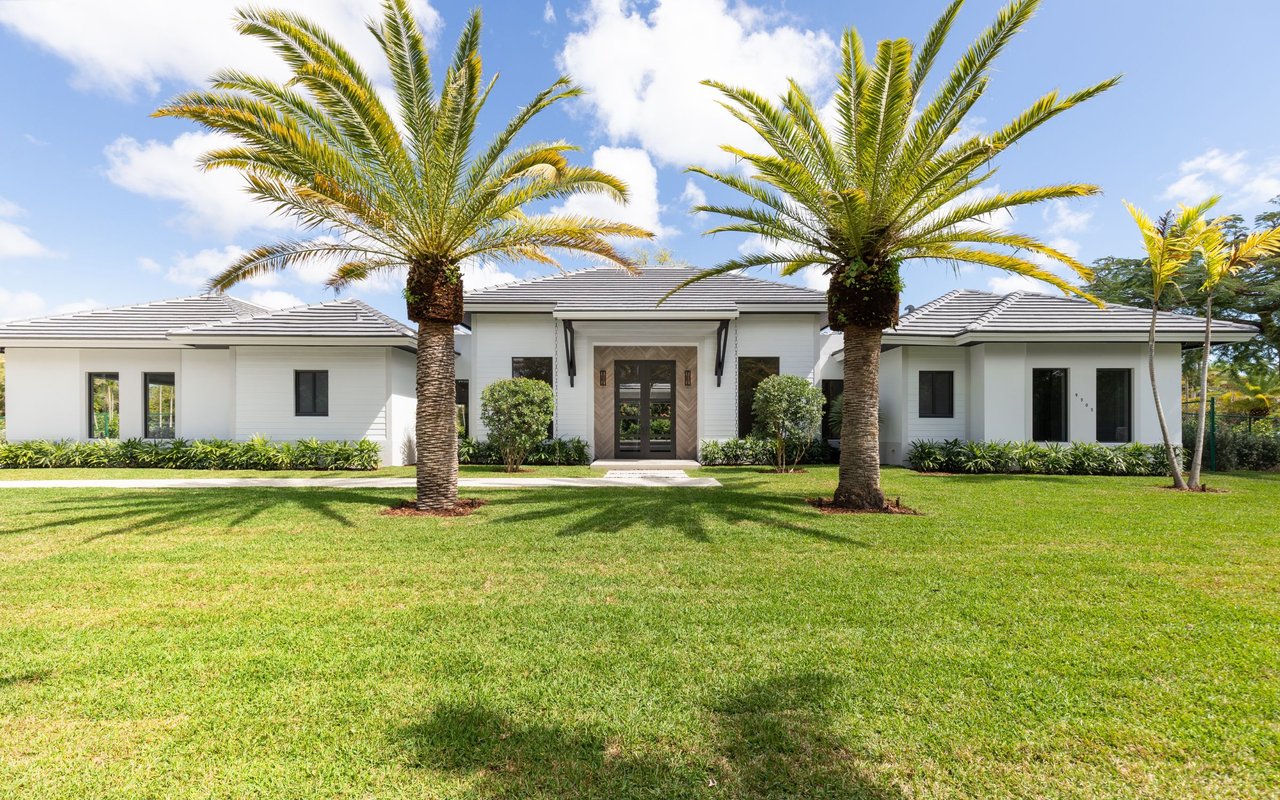
If your home came off the market without selling, review the pricing, buyer feedback, presentation, and property details before relisting. Here is where to start.
With over a decade of experience in real estate, mortgage lending, and title services, I bring a well-rounded perspective to every transaction. My goal is to make buying or selling a home feel straightforward, informed, and tailored to your needs while building lasting relationships beyond closing day.